Exploring the Benefits and Techniques of Aluminum Casting in Modern Production
Aluminum casting has actually become a critical method in modern production. Its lightweight residential properties improve energy performance and minimize transportation prices. Furthermore, developments in casting techniques enable detailed layouts and rapid prototyping. However, the benefits prolong past mere efficiency. The sustainability of aluminum casting processes offers considerable implications for numerous sectors. Understanding these aspects can expose the transformative effect of aluminum in contemporary manufacturing techniques. What additional advancements could redefine its role?
The Lightweight Benefit of Aluminum Casting
Aluminum casting uses a substantial light-weight benefit that is changing markets reliant on long lasting yet manageable products. This home is especially useful in sectors such as automobile and aerospace, where every ounce counts in performance and gas efficiency. The reduced weight of aluminum elements permits for improved handling, reduced transportation expenses, and improved energy efficiency throughout operation. Unlike larger steels, aluminum gives an equilibrium of strength and lightness, making it an excellent selection for facility applications that demand high performance without sacrificing structural honesty. Additionally, the rust resistance of aluminum prolongs the lifespan of actors components, decreasing the need for frequent substitutes. This combination of light-weight attributes and durability placements aluminum casting as an essential technology in contemporary manufacturing procedures, motivating innovation and sustaining the growth of sophisticated products that meet the developing demands of different industries.
Enhanced Design Versatility and Intricacy
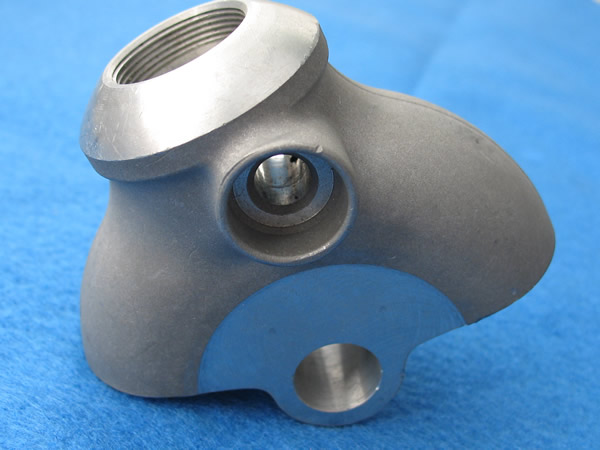
Design flexibility and complexity are significantly enhanced through the use of aluminum casting, allowing makers to produce intricate shapes and kinds that were previously unattainable with typical approaches. This ability makes it possible for the manufacturing of parts with in-depth geometries, such as intricate internal passages and thin-walled structures, which can notably improve the performance of the last product.
Aluminum casting techniques, such as die casting and sand casting, promote quick prototyping, enabling developers to repeat and fine-tune their concepts swiftly. The ability to create tailored molds additionally contributes to better positioning with certain style requirements, decreasing product waste and reducing the requirement for considerable machining.
Additionally, the lightweight nature of aluminum enhances its design adaptability, as it permits for both visual appeal and practical effectiveness. In general, the improvements in aluminum casting give producers with the devices to push the borders of layout, promoting development across different sectors.
Superior Thermal and Electric Conductivity
Aluminum's premium thermal and electrical conductivity makes it an important product in different manufacturing applications. Contrasted to various other steels, aluminum supplies considerable benefits, particularly in heat dissipation and electric effectiveness. Aluminum Castings. This building enables its widespread usage in markets varying from auto to electronic devices, boosting overall performance and reliability
Thermal Conductivity Advantages
A crucial benefit of aluminum casting copyrights on its remarkable thermal and electric conductivity, making it an optimal selection for various applications in contemporary manufacturing. The high thermal conductivity of aluminum enables efficient warmth dissipation, which is important in markets such as automobile and electronic devices. Elements crafted from aluminum can properly manage temperature fluctuations, lengthening the life expectancy of items and boosting efficiency. This quality also makes it possible for producers to create lightweight designs without endangering thermal effectiveness. Furthermore, aluminum's capacity to hold up against thermal biking even more strengthens its position sought after environments. As industries progressively prioritize energy effectiveness and performance, the thermal conductivity benefits of aluminum casting become increasingly significant in driving innovation and sustainability.
Electric Conductivity Applications
The electrical conductivity of aluminum matches its thermal buildings, making it a beneficial product in numerous applications within modern production. This conductivity enables effective energy transfer, which is vital in electrical elements such as electrical wiring, ports, and circuit card. Aluminum's light-weight nature better boosts its appeal in applications where reducing weight is essential, such as in aerospace and automotive sectors. Additionally, aluminum casting allows for the production of complicated shapes, optimizing the performance of electric tools. The material's resistance to rust and oxidation additionally adds to durability in electrical atmospheres, making certain dependability. Generally, aluminum's premium electric conductivity placements it as a recommended choice in industries that require high performance and performance in their electrical applications.
Comparison With Various Other Metals
While aluminum is renowned for its remarkable thermal and electrical conductivity, it is important to compare its properties with those of various other metals to comprehend its advantages completely. Copper, for circumstances, exhibits even greater electrical conductivity, making it more suitable in details applications like circuitry. Nonetheless, copper's weight and expense can limit its use. On the other hand, aluminum offers a favorable equilibrium of conductivity, weight, and cost, making it suitable for several manufacturing applications. In addition, aluminum's thermal conductivity is normally remarkable to that of stainless steel and titanium, which are usually made use of in high-temperature settings. Ultimately, aluminum stands apart not just for its conductivity but additionally for its lightweight and corrosion-resistant residential properties, making it a versatile choice in modern-day manufacturing.
Cost-Effectiveness and Minimized Product Waste
Taking full advantage of cost-effectiveness and reducing material waste are essential benefits of aluminum casting in contemporary manufacturing. Aluminum's lightweight nature adds to decrease shipping prices and energy intake throughout manufacturing. Additionally, its exceptional recyclability means that scrap material created throughout the casting process can be recycled, significantly lowering the general product prices.
Furthermore, aluminum casting strategies frequently permit complicated forms to be created with less second operations, which streamlines the manufacturing procedure and decreases labor costs. The capacity to develop exact components lowers the requirement for excessive machining, additional minimizing waste.
Business embracing aluminum casting benefit from lowered production time and raised effectiveness, leading to overall price financial savings. This mix of lower material prices, effective recycling methods, and efficient production procedures positions aluminum casting as a financially helpful option in the competitive landscape of modern manufacturing.
Advancements in Aluminum Casting Techniques
Current innovations in aluminum casting strategies are transforming the production landscape. Developments such as the assimilation of additive manufacturing, boosted mold layouts, and green casting procedures are driving performance and sustainability. These developments not just boost product high quality but also minimize ecological impact in the aluminum casting industry.
Additive Production Combination
Additive manufacturing is reinventing aluminum casting techniques by allowing the manufacturing of complicated geometries and lightweight frameworks that were previously unattainable. This combination enables suppliers to take advantage of 3D printing technologies to produce complex mold and mildews and cores, which facilitate the casting of detailed layouts with enhanced accuracy. Furthermore, additive production decreases product waste and shortens preparations, making it a much more lasting and effective strategy. Because of this, business can react extra rapidly to market needs and personalize products to meet details consumer demands. This synergy in between additive production and aluminum casting not only boosts style versatility yet also placements manufacturers to introduce constantly, driving developments in effectiveness and item efficiency within the competitive landscape of modern-day production.
Improved Mold Layout
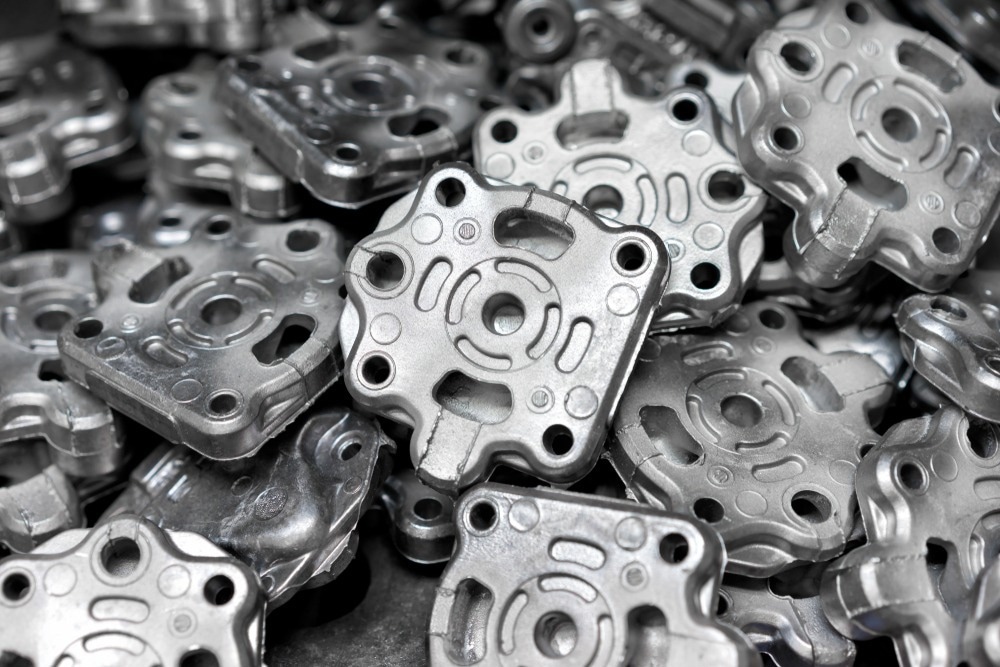
As suppliers seek to enhance performance and item high quality, advancements in mold and mildew style have actually become a crucial consider contemporary aluminum casting strategies. Advanced mold and mildew materials, such as silicon carbide and graphite, enhance thermal conductivity and resilience, enabling faster air conditioning and boosted surface area finishes. Furthermore, the integration of computer-aided design (CAD) innovation enables exact mold and mildew geometries, facilitating intricate shapes that were previously testing to attain. Advancements like 3D-printed mold and mildews likewise give rapid prototyping abilities, reducing lead times significantly. Additionally, modular mold and mildew styles permit less complicated changes and repair services, minimizing downtime throughout production. Collectively, these enhancements not only enhance making procedures yet likewise add to the general high quality of aluminum cast items, satisfying the advancing demands of different markets.
Eco-Friendly Casting Processes
While the aluminum casting industry continues to evolve, an expanding emphasis on sustainability has actually brought about the advancement of eco-friendly casting processes. These innovative strategies intend to minimize ecological impact by minimizing waste and power usage. One notable method hop over to these guys involves utilizing recycled aluminum, my company which significantly reduces the carbon footprint associated with basic material removal. Furthermore, innovations in mold products and layouts permit much more reliable warmth transfer, reducing energy requirements throughout manufacturing. Water-based layers and binders replace conventional solvents, in addition decreasing harmful exhausts. Some manufacturers are adopting closed-loop systems, guaranteeing that waste materials are reused within the production cycle. Collectively, these green casting processes not just improve sustainability but likewise add to a more liable production landscape.
Sustainability in Aluminum Casting Processes
Sustainability in aluminum casting processes has come to be a focal point for makers intending to lower their ecological influence. The sector is increasingly taking on techniques that lessen waste and enhance resource effectiveness. One substantial method includes making use of recycled aluminum, which needs just a portion of the energy needed to produce brand-new metal from ore. This not just conserves resources yet additionally lowers greenhouse gas discharges associated with manufacturing.
Improvements in technology have actually led to even more energy-efficient casting approaches, such as low-pressure and gravity casting, which optimize material use and lower energy consumption. Aluminum Castings. Producers are likewise implementing closed-loop systems that allow for the recycling of scrap product generated throughout the casting process. Furthermore, the usage of eco-friendly finishings and lubricants further adds to an extra sustainable procedure. In general, these efforts mirror a dedication to ecological stewardship while keeping the high quality and performance of aluminum casting
Applications of Aluminum Casting Throughout Industries
Aluminum casting discovers substantial applications throughout various industries because of its light-weight, toughness, and adaptability. In the automobile industry, aluminum castings are employed to produce engine blocks, transmission real estates, and wheels, enhancing gas efficiency while decreasing emissions. The aerospace sector uses aluminum castings for structural components, gaining from their high strength-to-weight proportion, which is vital for flight safety and performance.
In the customer electronics industry, aluminum castings are utilized for housing and architectural elements, supplying toughness and look at this website visual allure. Additionally, the construction sector leverages aluminum spreadings for building elements and fixtures, maximizing their resistance to rust.
The marine sector incorporates aluminum spreadings in watercraft frameworks and engine components, reflecting its viability for harsh environments. Generally, the diverse applications of aluminum casting highlight its value in modern production, adding to development and efficiency across numerous areas.
Regularly Asked Concerns
What Are the Typical Alloys Made Use Of in Aluminum Casting?
The common alloys utilized in aluminum casting consist of 413, 356, and A380. These alloys are valued for their exceptional fluidness, stamina, and corrosion resistance, making them suitable for numerous applications in manufacturing and engineering.
How Does Aluminum Casting Compare to Other Casting Methods?
Aluminum casting offers distinct advantages over various other casting methods, such as lighter weight, superb corrosion resistance, and premium thermal conductivity. It additionally permits for detailed layouts and faster production times contrasted to standard products like iron or steel.
What Is the Typical Life Expectancy of Aluminum Cast Products?
The common life expectancy of aluminum cast products varies, usually ranging from 20 to 50 years, depending on aspects such as environmental conditions, upkeep, and details applications. Proper care can considerably prolong their toughness and efficiency.
Exist Any Kind Of Health And Wellness Threats Related To Aluminum Casting?
The question of wellness risks related to aluminum casting arises because of possible exposure to aluminum dirt and fumes. Prolonged breathing may result in respiratory issues, stressing the relevance of ideal safety and security procedures throughout the casting process.
Exactly How Can Defects Be Lessened in Aluminum Casting?
To minimize problems in aluminum casting, producers can implement stringent quality assurance procedures, optimize mold and mildew layouts, preserve proper temperature control, make use of suitable alloy structures, and use efficient cleansing techniques to guarantee a defect-free casting process.
Comments on “The next big thing for Aluminum Castings in advanced manufacturing”